

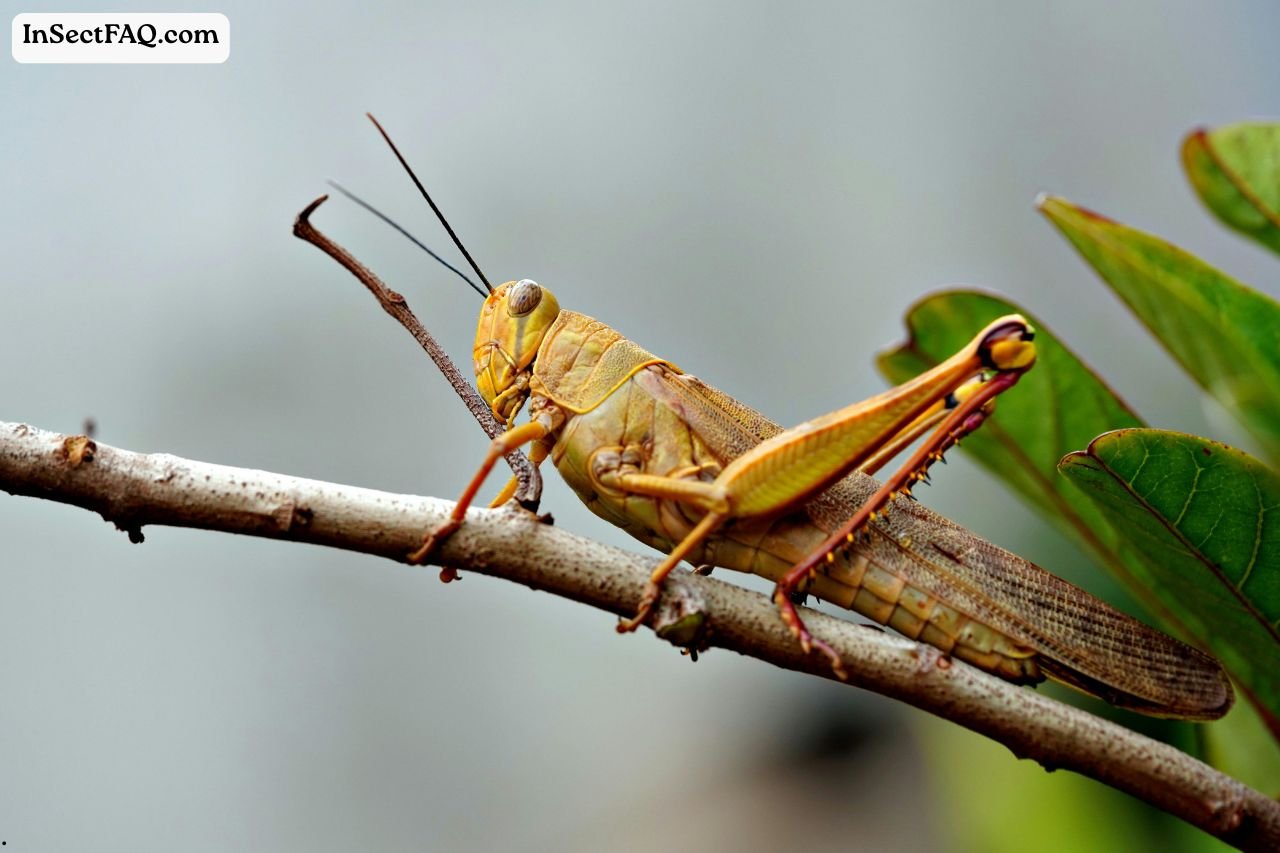
Yes, crickets can climb the walls very easily, but not all of the wall. Rough, cracked, and textured walls are ideal for them to climb, whereas smooth, shiny surfaces are a nightmare for them.
Can All Cricket Species Climb?
- House crickets
- Field crickets
- Camel crickets
- Tree crickets
Only these species are active climbers.
Why Can’t Crickets Climb Smooth Walls?
Like flies and other insects, crickets don’t have God-given adhesive pads. So they struggle to move on smooth surfaces because of their weak grip.
What Does Scientific Research Say?
A study is published in the scientific journal Biological Reviews, where they study insects movement pattern and identifies that different structures like hairs, adhesive pads, and claws help insects to move on surfaces differently.
However, this research also indicates that some species of crickets can easily climb glass surfaces. This research identifies that crickets use small claws called tarsal claws to climb.
Why Do Crickets Appear on Smooth Walls?
I know you are thinking that if they are unable to climb shiny surfaces, then why are they present on your window glass; the answer is very simple.
They have small claws, and the window has definitely some lines or scratches that might be invisible for you but under microscope that give enough foothold space to crickets.
Why Do Crickets Climb Walls?
Crickets climb walls for the following reasons:
- Trying to escape from predators.
- In winter, to get warm, crickets climb towards the ceiling.
- Cricket attracted towards light source.
- To attract a mate for mating.
| Question | Answer |
|---|---|
| Can crickets climb walls? | Yes |
| How do they climb? | Tarsal claws |
| Can they climb glass? | Generally no |
| Which species climbs best? | Camel crickets and tree crickets |
| Why do they climb walls? | Safety, thermoregulation, finding exits, calling position |
| How do you stop them climbing enclosures? | Fluon coating or smooth glass/plastic walls |
Read Also:
