

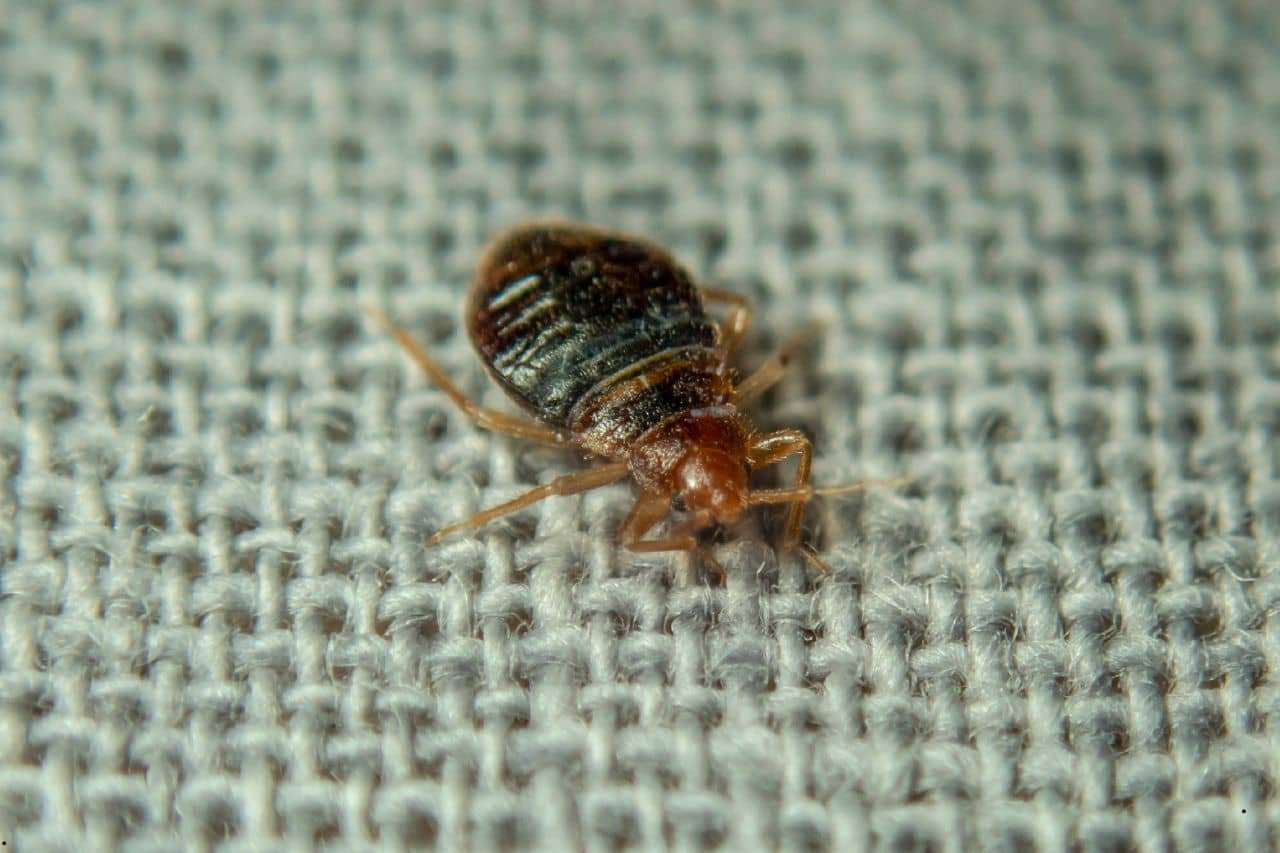
If you spot even a single bug in your home or bed it is definitely a thing you should worried about. Because they multiply so fast that in days they can develop a significant infestation.
So you have to control their infestation initially so they cannot spread widely across the house. For this, you have to know their multiplying pattern, so continue reading.
How Many Eggs a Female Bug Lay?
A study conducted on field-collected Cimex lectularius (female bug) and the results shows that if it has proper access to food and blood then it can lay one to seven eggs.
Interesting Fact: A female can lay 500 eggs in its entire life.
How Quickly Do Bed Bug Eggs Hatch?
These 1 to 7 eggs hatch after approximately 8 to 10 days. The newly hatched bug is called a nymph. This nymph has to go through five stages of development to become an adult. If warmth environment, food and blood access are properly remained they become fully grown bug in only five weeks.
Warning: A single bed can produce a huge second generation, and they start laying eggs, and ultimately the situation becomes worse.
How Quickly Does an Infestation Grow?
Let’s break down the pattern of bed bug multiplying stages:
- Week one to two — unhatched and invisible eggs
- Week six — An adult first generation develops and starts laying eggs
- Month three — Number exceeds 100
- Month six —If, by this time, it remains untreated, it can surpass the number of 1000, which is very difficult to treat then.
I am not exaggerating things; this is how their reproductive cycle and egg-laying happen. Research published in the Journal of Medical Entomology identified that bed bug populations double in just 13 days.
What Conditions Speed Up Their Reproduction?
Factors like temperature, access to food, and blood play an important role in their infestation.
- Temperature: Bed bugs multiply quickly at warm temperatures of 70°F and 80°F
- Fact: At 60 and below 60°F they become less active, and below 46°F they become inactive and stop reproducing.
- Access to blood: Bed bugs strictly rely on human blood to nourish themselves, but it is also a fact that they can easily survive for months without access to blood.
- Population density: If they are increase in number which means they mate more and produce more eggs which speed up infestation process.
Do Bed Bugs Reproduce Quickly Compared to Other Pests?
No, in fact, they possess slow reproductive spectrum because a butterfly can lay egg 500 in a single batch which a bed bug lay in its entire life. Also, cockroaches and mosquitoes lay eggs in cluster.
Suggestion: The major problem is detecting the presence of bed bugs, so as soon as you find the first blood spot on your bed sheet, investigate the entire bed and use specific pesticide.
Does the Infestation Ever Stabilize on Its Own?
No, until a proper food source and blood source are available, they can not vanish on their own. You have to do some active treatments; consult some pest control agencies.
| Question | Answer |
|---|---|
| How many eggs does a female lay per day? | One to seven |
| How many eggs in a lifetime? | Up to 500 |
| How long do eggs take to hatch? | Six to ten days |
| How long to reach adulthood from egg? | five weeks |
| What temperature do they thrive in? | 70°F to 80°F |
| Can one bed bug start an infestation? | yes |
| Does an infestation stabilize without treatment? | No |
Read Also:
